

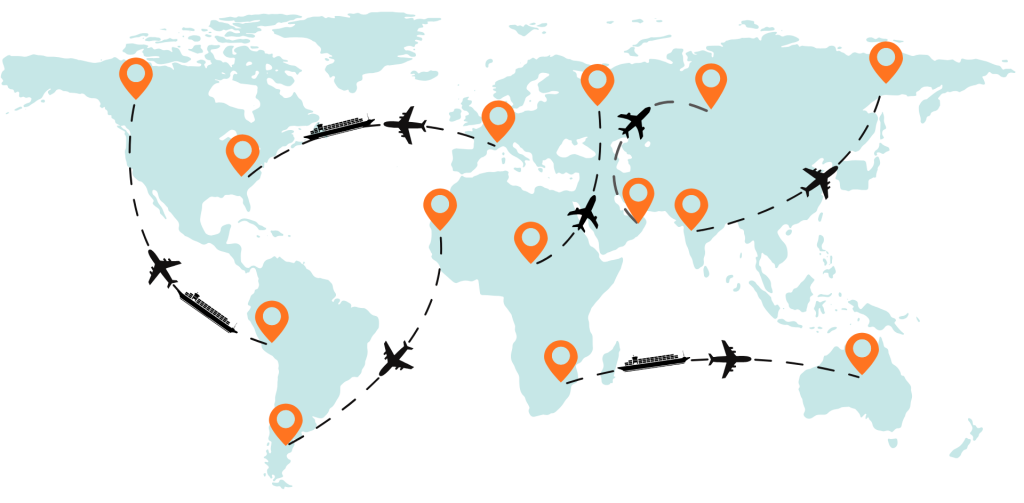
Hidden risks in cross-border pharma logistics can disrupt supply chains, compromise product integrity, and create serious compliance challenges—even for experienced pharmaceutical companies.
While most organizations focus on transportation, customs clearance, and cold chain management, many overlook the less visible threats that can lead to shipment delays, regulatory penalties, product losses, and reputational damage.
As global pharmaceutical supply chains become more complex in 2026, understanding these hidden risks is essential for maintaining compliance, protecting product quality, and ensuring uninterrupted delivery of life-saving medicines.
Why Cross-Border Pharma Logistics Is More Complex Than Ever

- Multiple regulatory authorities
- Different customs procedures
- Diverse transportation networks
- Temperature-sensitive products
- Strict documentation requirements
Even a small oversight can have major consequences across the supply chain.
1. Regulatory Differences Between Countries

Common Issues:
- Different import requirements
- Varying product registration rules
- Country-specific labeling regulations
- Inconsistent documentation standards
Impact:
A shipment compliant in one market may face rejection in another.
2. Customs Delays That Trigger Cold Chain Failure

Many companies focus on transport time but underestimate customs-related delays.
Hidden Risks:
- Extended inspections
- Missing documentation
- Regulatory reviews
- Port congestion
Result:
Temperature-sensitive products may remain exposed longer than planned, increasing the risk of temperature excursions.
3. Lack of Visibility Across Multiple Logistics Partners

Cross-border shipments often involve:
- Freight forwarders
- Airlines
- Customs brokers
- Warehouses
- Last-mile providers
Without integrated visibility systems, companies may lose real-time oversight of critical shipments.
4. Climate and Environmental Exposure

Different countries present different environmental challenges.
Examples:
- Desert heat in GCC countries
- Freezing temperatures in northern regions
- High humidity in tropical markets
Even brief exposure during transfers can compromise sensitive pharmaceutical products.
5. Inadequate Supplier and Partner Compliance

A company’s compliance is only as strong as its weakest logistics partner.
Hidden Problems:
- Poor warehouse controls
- Insufficient staff training
- Outdated temperature monitoring systems
- Weak documentation practices
Risk:
Non-compliant partners can expose businesses to regulatory penalties and product integrity issues.
6. Data Gaps and Documentation Errors

Documentation mistakes remain one of the most common causes of shipment disruption.
Frequent Errors:
- Incorrect product descriptions
- Missing certificates
- Invoice discrepancies
- Incomplete temperature records
Consequences:
- Customs holds
- Regulatory investigations
- Delayed market access
7. Cybersecurity Risks in Digital Pharma Supply Chains

As pharma logistics becomes increasingly digital, cybersecurity is emerging as a major hidden threat.
Potential Risks:
- GPS tracking disruptions
- Data breaches
- System outages
- Unauthorized access to shipment information
Impact:
Operational disruptions can affect shipment visibility, compliance, and supply chain continuity.
The Most Overlooked Risk Areas
How to Reduce Cross-Border Pharma Logistics Risks
Best Practices:
- Conduct country-specific compliance reviews
- Use real-time GPS and IoT monitoring systems
- Audit logistics partners regularly
- Implement digital documentation management
- Develop contingency plans for customs delays
- Invest in cybersecurity protection
- Perform route-specific risk assessments
Why Risk Management Is Becoming a Competitive Advantage
Companies that proactively identify hidden risks can:
- Reduce shipment disruptions
- Improve regulatory compliance
- Protect product quality
- Lower operational costs
- Build stronger customer trust
In today’s pharmaceutical industry, risk management is no longer just about compliance—it’s about maintaining a resilient global supply chain.
Conclusion
Hidden risks in cross-border pharma logistics often cause the most significant disruptions because they are frequently overlooked until a problem occurs.
From regulatory differences and customs delays to cybersecurity threats and partner compliance gaps, these risks can impact every stage of the pharmaceutical supply chain.
Organizations that understand and proactively manage these hidden challenges will be better positioned to maintain compliance, protect product integrity, and succeed in an increasingly complex global market.







Leave a Reply