

In global pharmaceutical logistics, choosing between air freight and sea freight is not a cost decision alone — it is a risk, compliance, and patient safety decision.
At Arib Shipping, we help pharma exporters, healthcare manufacturers, and clinical supply chains select the right transport mode based on temperature sensitivity, urgency, product value, and regulatory constraints.
✈️ When Pharma Air Freight Makes Sense
Air freight is the preferred solution when speed and product integrity are critical.
It is most suitable for:
- Time-sensitive pharmaceuticals (vaccines, biologics, IMPs)
- Emergency medical shipments
- High-value, low-volume consignments
- Clinical trial materials with strict timelines
Key advantage:
⏱ Fast transit reduces exposure to temperature risks and supply chain delays
Key risk factor:
💰 Higher cost per kg, but significantly lower risk of product degradation
🚢 When Pharma Sea Freight Makes Sense
Sea freight becomes the optimal choice when volume and cost efficiency matter more than speed.
It is ideal for:
- Bulk pharmaceutical raw materials
- Non-urgent finished goods
- Stable temperature-controlled products with longer shelf life
- Cost-sensitive distribution routes
Key advantage:
💰 Lower logistics cost for large shipments
Key risk factor:
⏱ Longer transit times increase exposure to temperature excursions and delays
⚖️ Air vs Sea Freight: Strategic Decision Factors
Pharma logistics managers should evaluate:
- Temperature stability requirements (2°C–8°C, -20°C, -70°C)
- Shipment urgency and patient dependency
- Regulatory compliance (GDP, WHO, FDA standards)
- Total landed cost vs risk of product loss
- Supply chain visibility and monitoring capability
In pharmaceutical logistics, the cheapest option is not always the safest — and the fastest is not always the most economical.
🧠 Industry Insight
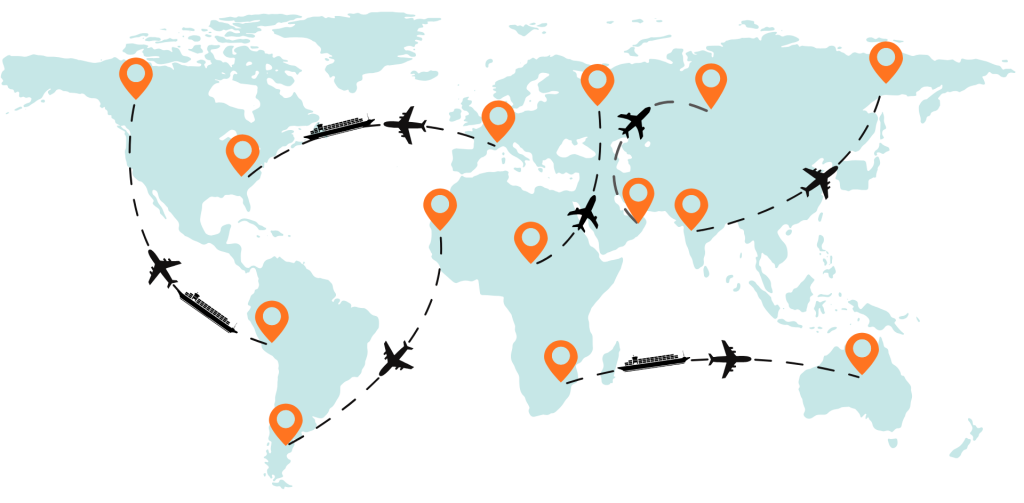
Modern pharma supply chains are increasingly adopting a hybrid logistics model, combining:
- ✈️ Air freight for urgent, high-value shipments
- 🚢 Sea freight for bulk and planned distribution flows
This approach balances cost efficiency, risk control, and regulatory compliance across global markets.
🏢 How Arib Shipping Helps
At Arib Shipping, we design end-to-end pharmaceutical logistics strategies that ensure:
✔ GDP-compliant cold chain handling
✔ Route optimization based on product sensitivity
✔ Real-time shipment visibility
✔ Risk-based freight mode selection
We don’t just move cargo — we protect temperature, time, and trust.
















Leave a Reply