

Real-time GPS + IoT sensors in pharma logistics are transforming how pharmaceutical companies monitor, protect, and manage global shipments in 2026.
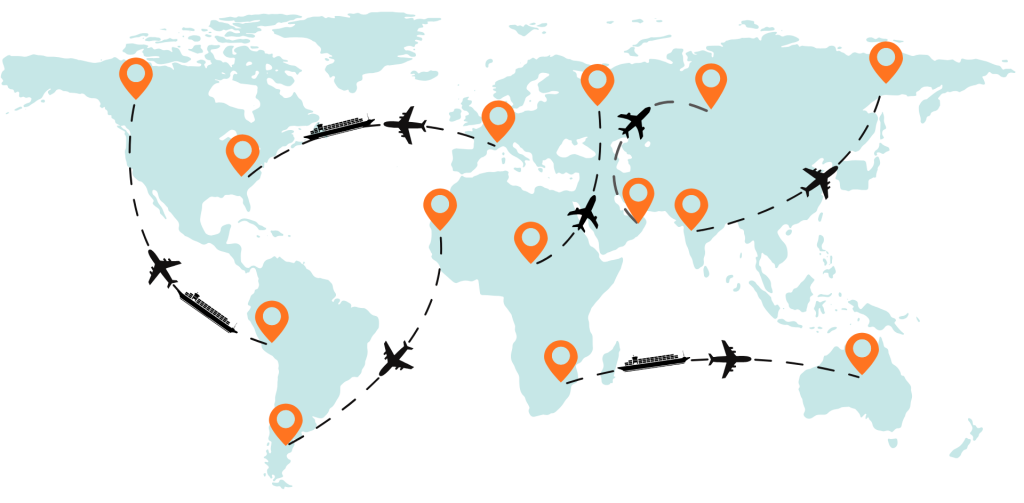
From vaccines and biologics to temperature-sensitive specialty drugs, pharma companies now require continuous shipment visibility, predictive monitoring, and instant alerts to maintain compliance and reduce supply chain risks.
As regulations from the U.S. Food and Drug Administration, European Medicines Agency, and GCC authorities become stricter, real-time tracking technologies are becoming essential for modern pharmaceutical logistics.
What Are GPS and IoT Sensors in Pharma Logistics?

GPS Tracking Provides:
- Real-time shipment location
- Route monitoring
- Transit status updates
- Delay visibility
IoT Sensors Monitor:
- Temperature
- Humidity
- Shock and vibration
- Light exposure
- Door opening activity
Together, these technologies create an intelligent, connected cold chain ecosystem.
Why Pharma Visibility Matters More in 2026

- Complex global supply chains
- Rising biologics shipments
- Stricter compliance requirements
- Higher risks of counterfeit products
- Growing patient safety expectations
Traditional tracking methods are no longer enough. Companies now need real-time operational intelligence, not delayed reports.
How Real-Time GPS + IoT Sensors Are Transforming Pharma Logistics
1. End-to-End Shipment Visibility

- Warehouses
- Airports
- Cargo terminals
- Ocean freight routes
- Last-mile delivery
Benefit:
Immediate visibility reduces uncertainty and improves decision-making.
2. Instant Temperature Excursion Alerts

IoT sensors continuously monitor environmental conditions.
If temperatures move outside approved ranges:
- Instant alerts are triggered
- Teams can intervene immediately
- Corrective actions are taken before product damage occurs
Result:
Reduced product loss and improved compliance.
3. Predictive Risk Detection

Advanced systems now combine:
- GPS data
- Weather information
- Traffic patterns
- Historical shipment performance
This enables:
- Delay prediction
- Route optimization
- Proactive cold chain risk management
4. Better Regulatory Compliance

Regulators increasingly expect:
- Continuous monitoring
- Digital audit trails
- Real-time documentation
GPS + IoT systems help companies comply with:
- EU GDP standards
- FDA requirements
- GCC pharmaceutical regulations
Compliance advantages:
- Automated reporting
- Audit-ready records
- Reduced human error
5. Reduced Theft and Counterfeit Risks

High-value pharmaceutical shipments are frequent targets for theft.
Real-time visibility improves:
- Route security
- Unauthorized access detection
- Shipment recovery capabilities
This is especially important for:
- Biologics
- Vaccines
- Controlled substances
6. Smarter Cold Chain Decision-Making

- Optimize routes
- Improve warehouse operations
- Reduce dwell times at airports
- Prevent unnecessary temperature exposure
Outcome:
A more efficient and resilient pharma supply chain.
Biggest Benefits of GPS + IoT in Pharma Logistics
| Area | Impact |
|---|---|
| Shipment Visibility | Real-time global monitoring |
| Temperature Control | Faster response to deviations |
| Compliance | Stronger audit readiness |
| Security | Reduced theft and tampering |
| Operational Efficiency | Smarter logistics planning |
Challenges of Implementation
Despite the advantages, some companies face barriers such as:
- High initial investment
- Integration with legacy systems
- Data cybersecurity concerns
- Connectivity limitations in remote regions
However, the long-term ROI often outweighs the setup cost.
Why GCC and Global Markets Are Accelerating Adoption

Regions like the GCC are rapidly investing in:
- Smart logistics infrastructure
- Digital healthcare ecosystems
- AI-driven cold chain systems
Extreme climate conditions in the Middle East make real-time monitoring even more critical.
The Future of Pharma Visibility
By 2026 and beyond, pharma logistics will increasingly rely on:
- AI-integrated IoT platforms
- Blockchain-secured shipment data
- Autonomous monitoring systems
- Predictive supply chain analytics
Companies adopting these technologies early will gain major advantages in:
- Compliance
- Efficiency
- Risk reduction
- Customer trust
Conclusion
Real-time GPS and IoT sensors are fundamentally reshaping pharmaceutical logistics by providing continuous visibility, predictive monitoring, and smarter cold chain management.
In 2026, pharma visibility is no longer a luxury—it’s becoming a regulatory and operational necessity.
As global pharmaceutical supply chains grow more complex, companies that invest in intelligent tracking technologies will be better positioned to protect product integrity, ensure compliance, and deliver safer healthcare worldwide.












Leave a Reply