

The impact of the Middle East ceasefire on shipping and logistics has become a key concern for importers, exporters, freight forwarders, and supply chain managers worldwide. While the easing of regional tensions has brought a sense of optimism to global trade, logistics networks are still navigating the aftereffects of weeks of disruption, rerouting, increased freight costs, and operational uncertainty.
For businesses relying on trade routes across the Gulf and Middle East, the ceasefire represents an opportunity for stabilization—but not an immediate return to normal operations. Supply chains require time to recover, vessel schedules need rebalancing, and freight markets must gradually rebuild confidence before full normalization can occur.
In this article, we examine how the ceasefire is influencing shipping, logistics, freight costs, and supply chain planning across the region.
A Ceasefire Brings Relief—But Not Instant Recovery
At first glance, a ceasefire suggests stability. However, in the logistics industry, recovery happens gradually rather than immediately.
Shipping lines, cargo operators, insurers, and freight providers make decisions based not only on current conditions but also on future risk assessments.
As a Result:
- Shipping schedules remain cautious
- Freight operators continue monitoring risks
- Alternative routing strategies remain active
- Capacity adjustments are still being evaluated
- Supply chains continue operating with contingency plans
For many businesses, the focus has shifted from crisis management to risk management.
Sea Freight Networks Continue to Face Challenges
Despite reduced tensions, ocean freight operations are still experiencing residual effects from earlier disruptions.
Ongoing Challenges Include:
- Vessel scheduling delays
- Port congestion
- Equipment imbalances
- Container shortages in key locations
- Longer lead times
During periods of uncertainty, many carriers adjusted their routing strategies to protect cargo and vessels. These changes created operational ripple effects across global trade lanes.
Even after tensions ease, shipping lines typically require weeks or months to fully restore network efficiency.
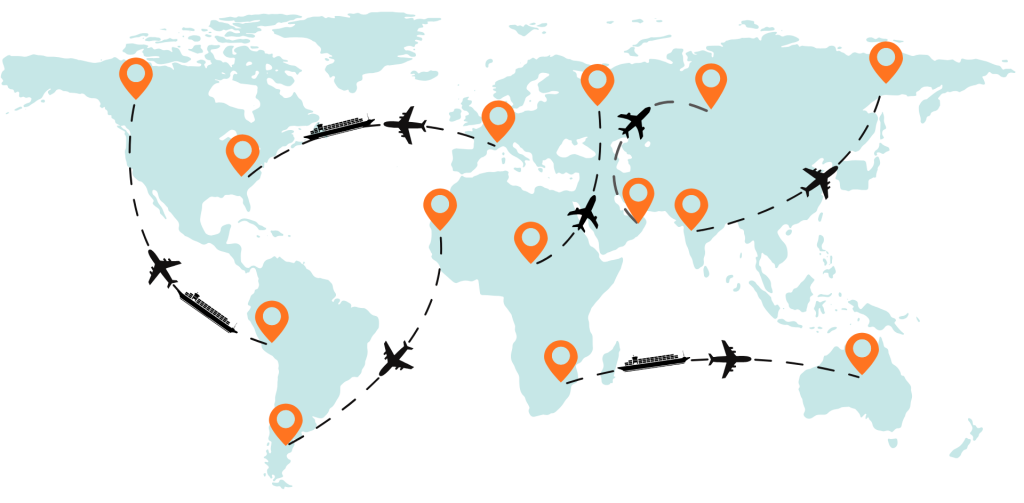
Alternative Routes Have Become Part of Modern Supply Chain Strategy
One of the most significant outcomes of recent disruptions is the increased use of alternative transportation routes.
Companies are no longer relying on a single shipping corridor.
Businesses Are Increasingly Exploring:
- Multi-port shipping strategies
- Air-sea logistics combinations
- Cross-border land transport solutions
- Regional distribution hubs
- Flexible routing options
This shift reflects a broader industry trend toward supply chain resilience rather than route dependency.
For many organizations, alternative routing is no longer an emergency solution—it has become a long-term strategy.
Freight Costs Remain Elevated
Why Logistics Costs Are Still Under Pressure
Although geopolitical tensions may have eased, logistics costs rarely decline overnight.
Several factors continue to influence freight pricing:
- War-risk surcharges
- Fuel market volatility
- Vessel repositioning costs
- Equipment shortages
- Capacity management expenses
As a result, businesses should expect freight rates to remain relatively volatile in the short term.
What This Means for Shippers
Companies should continue to:
- Review transportation budgets regularly
- Plan for potential rate fluctuations
- Maintain flexible procurement strategies
- Monitor market conditions closely
Effective cost management remains critical during the recovery period.
Air Freight Remains a Strategic Alternative
During periods of supply chain disruption, air freight often becomes the preferred solution for urgent cargo.
Industries That Frequently Rely on Air Freight:
- Pharmaceuticals
- Healthcare products
- Electronics
- Perishable goods
- High-value cargo
While air cargo capacity is gradually stabilizing, challenges still exist.
Current Considerations:
- Limited space availability on certain routes
- Premium freight rates
- Capacity allocation priorities
- Schedule adjustments
For many businesses, air freight continues to serve as an important backup option when speed and reliability are essential.
The Hidden Impact: Supply Chain Backlogs
One of the most overlooked consequences of disruption is the backlog it creates.
Even after operations begin stabilizing, logistics networks must process:
- Delayed containers
- Congested cargo terminals
- Repositioned equipment
- Deferred shipments
- Accumulated port volumes
These backlogs often create secondary delays long after the original disruption has ended.
Why It Matters
Businesses may continue experiencing:
- Delivery delays
- Inventory challenges
- Production planning disruptions
- Increased storage costs
Recovery is not measured by the end of a disruption—but by how quickly supply chains return to predictable performance.
A Long-Term Shift Toward Supply Chain Resilience
Recent events have reinforced an important lesson across global logistics:
Resilience Is Now a Competitive Advantage
Companies are increasingly investing in:
- Diversified transportation networks
- Multiple supplier relationships
- Regional distribution hubs
- Real-time shipment visibility
- Risk management planning
The objective is simple:
Reduce dependence on any single route, market, carrier, or transportation mode.
Organizations with flexible supply chains are generally better positioned to respond to future disruptions.
What Businesses Should Do Next
As the region transitions toward greater stability, businesses should focus on proactive planning rather than assuming immediate normalization.
Recommended Actions:
✔ Review transportation strategies
✔ Diversify routing options
✔ Maintain supply chain visibility
✔ Monitor freight market trends
✔ Strengthen contingency planning
✔ Partner with experienced logistics providers
Companies that remain agile will be better equipped to navigate future market fluctuations.
How Arib Shipping Supports Businesses During Uncertain Times
At Arib Shipping, we understand that logistics disruptions require more than transportation—they require strategic planning, flexibility, and rapid execution.
Our team helps businesses navigate changing market conditions through:
Our Core Capabilities
- International air freight solutions
- Ocean freight services
- GCC cross-border transportation
- Customs clearance support
- Alternative route planning
- Temperature-controlled logistics
- Real-time shipment visibility
- End-to-end supply chain coordination
Whether you’re managing urgent shipments, evaluating new trade routes, or building a more resilient supply chain, Arib Shipping provides the expertise and operational support needed to keep your cargo moving.
Conclusion
The impact of the Middle East ceasefire on shipping and logistics is largely positive, but recovery remains a gradual process. While tensions may have eased, freight markets, shipping networks, and global supply chains continue working through the operational effects of recent disruptions.
For businesses operating across the Middle East, the focus should now be on resilience, visibility, and strategic flexibility. Organizations that proactively adapt their logistics strategies will be best positioned to manage uncertainty and maintain supply chain continuity in the months ahead.
As global trade continues evolving, successful businesses will not simply react to disruptions—they will build supply chains designed to withstand them.
















Leave a Reply