

The future of pharmaceutical logistics in the Middle East is being shaped by rapid healthcare expansion, increasing pharmaceutical demand, strategic infrastructure investments, and ambitious economic diversification initiatives across the region.
Between 2026 and 2030, Middle Eastern countries are expected to strengthen their position as global healthcare and logistics hubs, creating significant opportunities for pharmaceutical manufacturers, distributors, healthcare providers, and logistics companies.
With governments investing heavily in healthcare infrastructure, cold chain capabilities, digital transformation, and international trade connectivity, the region is emerging as one of the world’s most important pharmaceutical logistics markets.
Why the Middle East Is Becoming a Strategic Pharma Logistics Hub

- Europe
- Asia
- Africa
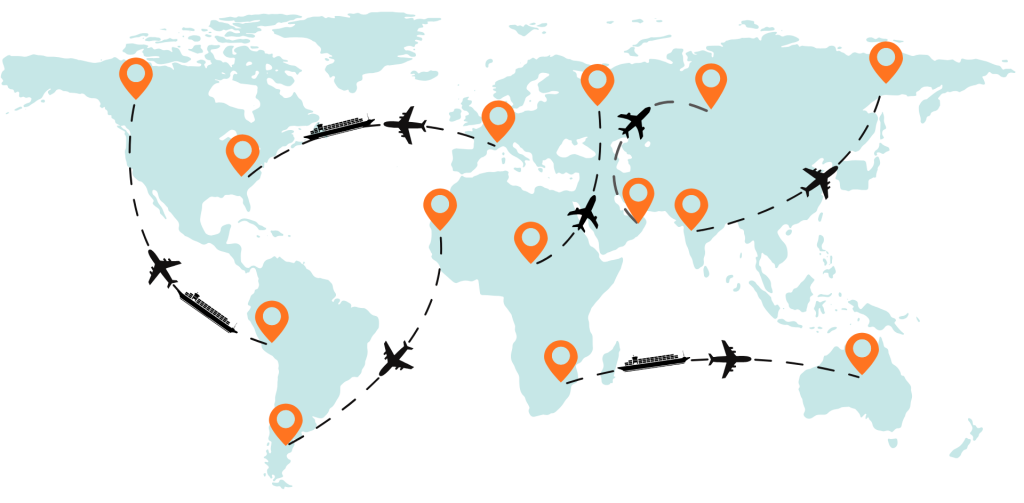
This strategic location allows pharmaceutical shipments to reach billions of consumers within relatively short transit times.
Key Advantages:
- Global air cargo connectivity
- Advanced seaport infrastructure
- Expanding free trade zones
- Growing healthcare investments
- Strong government support
Growth Driver #1: Rising Healthcare Demand

Factors Contributing to Growth:
- Population expansion
- Aging demographics
- Higher healthcare spending
- Growth in chronic disease treatment
- Increased access to specialized medicines
Impact:
Demand for pharmaceutical imports, distribution, and cold chain logistics is expected to rise significantly through 2030.
Growth Driver #2: Expansion of Biologics and Specialty Medicines

- Biologics
- Vaccines
- Cell and gene therapies
- Precision medicines
These products require sophisticated cold chain infrastructure and highly controlled logistics environments.
Result:
Growing demand for advanced pharmaceutical storage and transportation solutions.
Growth Driver #3: Government Healthcare Strategies
Governments across the GCC are prioritizing healthcare modernization.
Notable examples include:
- United Arab Emirates healthcare innovation initiatives
- Saudi Arabia Vision 2030 healthcare programs
- Qatar healthcare infrastructure development
Focus Areas:
- Healthcare accessibility
- Pharmaceutical manufacturing
- Digital health ecosystems
- Medical supply chain resilience
These initiatives are creating new opportunities for pharmaceutical logistics providers.
Infrastructure Development Driving Future Growth
1. Advanced Air Cargo Networks

- Pharmaceutical cargo terminals
- Temperature-controlled storage
- Specialized healthcare logistics facilities
Major aviation hubs increasingly support GDP-compliant pharmaceutical handling.
2. Modern Cold Chain Infrastructure

- Temperature-controlled warehouses
- Smart monitoring systems
- Automated storage facilities
- GDP-compliant distribution centers
Why It Matters:
Cold chain capacity is essential for handling biologics and specialty medicines.
3. Smart Logistics and Digital Transformation

Key Innovations:
- AI-powered supply chain management
- Real-time shipment visibility
- IoT monitoring systems
- Predictive analytics
- Automated compliance reporting
These technologies improve efficiency and reduce operational risk.
Key Demand Trends Expected by 2030
Increasing Demand For:
- Cold chain logistics services
- Pharmaceutical air freight
- GDP-compliant warehousing
- Real-time shipment monitoring
- Regulatory compliance expertise
- Last-mile healthcare delivery solutions
Fastest Growing Segments:
- Biologics logistics
- Clinical trial logistics
- Specialty pharmaceuticals
- Healthcare e-commerce distribution
Challenges Facing the Industry
Despite strong growth prospects, several challenges remain.
Key Challenges:
- Extreme climate conditions
- Skilled workforce shortages
- Regulatory harmonization across markets
- Rising operational costs
- Increasing compliance requirements
Organizations that address these challenges effectively will gain a significant competitive advantage.
How the Middle East Is Positioning Itself for Global Leadership

- World-class logistics infrastructure
- International trade connectivity
- Healthcare innovation
- Supply chain resilience
- Digital transformation
This combination is attracting pharmaceutical manufacturers, healthcare investors, and logistics providers from around the world.
What This Means for Pharma Companies
Companies operating in the Middle East between 2026 and 2030 will benefit from:
- Faster market access
- Improved cold chain capabilities
- Enhanced regulatory support
- Better international connectivity
- Growing healthcare demand
Businesses that invest early in regional logistics capabilities will be well positioned to capture future growth opportunities.
Conclusion
The future of pharmaceutical logistics in the Middle East looks exceptionally promising as healthcare demand, infrastructure investment, and digital transformation continue accelerating across the region.
From advanced cold chain facilities and smart logistics technologies to expanding air cargo networks and healthcare modernization programs, the foundations for long-term growth are firmly in place.
Between 2026 and 2030, the Middle East is expected to become an increasingly important global pharmaceutical logistics hub, creating new opportunities for companies seeking efficient, compliant, and scalable healthcare supply chain solutions.














Leave a Reply